Coated fabrics / Material family
Silicone-coated fiberglass fabric
Silicone-coated fiberglass for flexible covers, insulation facings and protective textile assemblies.
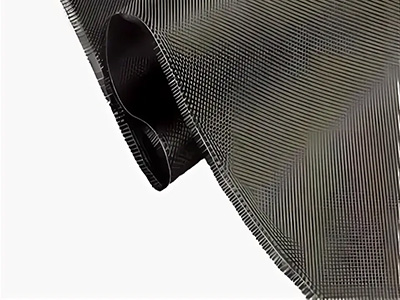
Material overview
This family combines a woven fiberglass substrate with a silicone surface coating. Start by separating the coating’s requirements from those of the base cloth, then assess the complete construction for the intended exposure.
| Base material | Woven fiberglass substrate; specify grade and weave |
|---|---|
| Surface / coating | Silicone; specify formulation, coated sides and coating mass |
Selection requirements
| Property | Selection requirement |
|---|---|
| Surface performance | Confirm the required resistance to abrasion, moisture and the chemicals actually present. |
| Thermal limits | Request separate coating and finished-fabric limits with exposure conditions. |
| Fabrication | Check flexibility, seam construction and edge finishing on the proposed grade. |
Specification checklist
| Parameter | Specification requirements |
|---|---|
| Base cloth / coating | Specify the selected grade and finished construction. |
| Mass per area (g/m²) | Confirm finished value, coating mass and tolerance. |
| Thickness (mm) / width (mm) | Confirm measurement method, tolerance and usable width. |
| Continuous service / peak exposure | Confirm coating, substrate and assembly limits separately, including duration. |
| Dimensions / fabrication | Confirm roll length or finished size, seams, edges and fixings. |
| Test documents / certification | Confirm exact model, test conditions, issuing body and validity. |
Related applications
- Define the full layer arrangement when specifying an outer facing.
Use and specification notes
- The base-fiber temperature alone does not establish a coated fabric’s service limit.
- For waterproofing, electrical insulation or fire protection, request evidence for the exact finished construction.
Procurement questions
Is every silicone-coated fiberglass fabric interchangeable?
No. Ask for the exact substrate, coating formulation, finished weight, test conditions and intended service before comparing grades.
Can the coating face the heat source?
That requires grade-specific confirmation. Describe the heat source, contact, duration and layer arrangement so the hot face can be selected correctly.
Can you confirm a price, MOQ or lead time?
Price, minimum order quantity and delivery depend on the selected grade, quantity and destination. Include your target quantity and timing so these terms can be addressed in the quotation.
Related materials
PU-coated fiberglass fabric
Polyurethane-coated fiberglass for insulation facings and fabricated textile components.
View material & selection notes
Fiberglass fabric
Glass-fiber textiles for heat barriers, insulation layers and further fabrication.
View material & selection notes
Vermiculite-coated fiberglass fabric
Vermiculite-coated fiberglass for hot-work textiles and thermal-barrier constructions.
View material & selection notes